
Using Video to Strengthen Nonprofit Fundraising
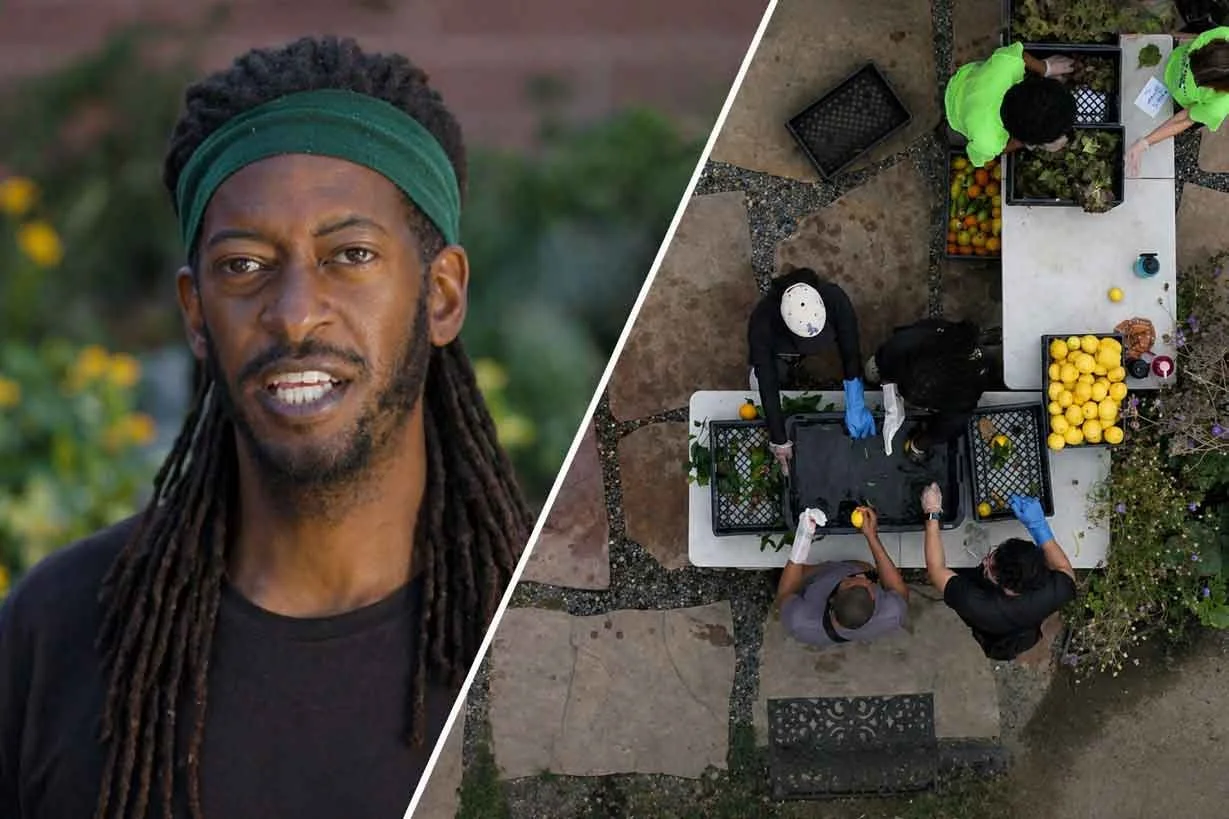
Crop Swap LA
Non-Profit Case Study
People support what they understand, and they remember what they feel.
Most nonprofits are already using video. They film the fundraiser, the volunteer day, the gala, the annual event, and the year-end recap. The issue is usually not a lack of content. The issue is that much of that content gets used as documentation after the fact instead of as part of a real fundraising strategy.
A recap video can show that something happened, but it does not always help the next donor decision. A stronger fundraising video helps people understand why the work matters, who it affects, and why support should continue. Donors are rarely moved by polished event footage alone. They respond to clarity, trust, and a real sense of impact.
People do not connect to mission statements. They connect to people, stories, and moments that feel real. That is where strong nonprofit storytelling matters. It helps donors, grant reviewers, board members, and community partners understand not just what an organization does, but why it deserves support.
Crop Swap LA is a good example of this. Instead of creating one final promotional video, the story was built in two versions: a short social-first version and a longer documentary version. Each one had a different job to do, and together they created something much stronger than either could alone.
Start With the Story
One of the most common mistakes nonprofits make is starting with production before defining the message. The first question should not be what kind of video to make, but what the audience needs to understand. A first-time donor needs something different than a long-time supporter. A grant reviewer needs something different than a community partner. The story has to match the audience.
Before filming begins, the important questions are simple: What is the mission? Who is being helped? Why does support matter now? What changes if support does not come? What should the viewer do next? Without that clarity, even beautiful production can fall flat.
The Short Version Creates Immediate Clarity
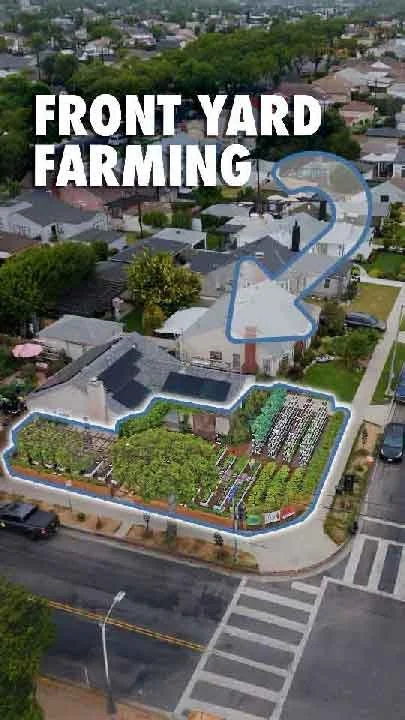
The short-form version of Crop Swap LA gets to the point quickly. It focuses on the clearest parts of the message: hyper-local food production, one-mile distribution, better food quality, lower environmental cost, and stronger neighborhood connection. Instead of leading with the full systems critique, it shows people what the model looks like and why it matters.
Fresh food grown close to home tastes better, lasts longer, creates less waste, and benefits the people living nearby. People do not need to understand every problem in industrial agriculture to understand why that matters. The short version makes the idea clear almost immediately, which is exactly why it works better for social media. It gives people enough to care and enough to want to know more.
Crop Swap LA Short-Form Social Reel
View the Instagram Reel →
Real People Create Real Connection
Some of the strongest nonprofit videos are not the most polished. They work because they feel honest. Real voices create more trust than perfect messaging.
The Crop Swap LA story opens with a simple idea: plant one seed, and it gives you many more. Save those seeds, plant again, and “you’re playing with infinity.” That works because it feels human. It gives people something they can picture before the nonprofit itself is explained.
That is where connection happens. Instead of telling people what the organization does, the video lets them understand the mission through something personal and familiar. That emotional connection is often what moves someone from awareness to support.
The Long Version Builds Depth
The full documentary gives the audience the bigger picture. It goes deeper into food independence, local agriculture, labor issues, environmental cost, and the hidden systems behind how food reaches people. It gives the founder room to explain how Crop Swap LA uses underused space across Los Angeles to grow food locally and distribute it within one mile of where it is grown.
The story moves beyond gardening and becomes about dignity, sustainability, and community resilience. This works especially well for donors, partners, and grant reviewers who need more than a quick introduction. The longer version builds trust because it gives room for nuance and helps people understand the long-term value of the mission.
Full Crop Swap LA Documentary Short
Watch the full documentary →
Where the Long Version Gets Harder
The challenge is pacing. Much of the middle section moves heavily into explanation—subsidies, labor exploitation, transportation costs, and systemic problems with traditional agriculture. All of that matters, but it asks a lot from the audience before returning to the emotional reason they should care.
For people already interested in sustainability, that works. For new audiences, especially online, it can be too much too quickly. People usually need relevance before education. They need to understand why the story matters to them before they are ready for the bigger policy argument. This is where many nonprofit videos become strong documentaries but weaker fundraising tools.
One Story, Two Different Jobs
The biggest lesson from Crop Swap LA is that nonprofits do not need one video. They need different versions of the same story for different levels of attention.
The short version creates visibility and immediate connection. It helps new audiences understand the mission quickly. The long version builds trust and depth. It supports donor conversations, grant applications, partnerships, and people who need more context before making decisions. Neither replaces the other. Together, they create a stronger strategy.
One Shoot Can Create an Entire Campaign
The best nonprofit videos are not the ones that look the most polished. They are the ones that help people understand why the work matters and where they fit inside that story.
Crop Swap LA works because the mission feels real. It is rooted in place, community, and an idea people can picture in their own lives. The short version creates access. The longer documentary builds belief.
Together, they show what nonprofit storytelling should really do: not just create awareness, but create understanding strong enough to lead to action. That is the difference between content people watch and stories people support.
Final Thought
Fundraising videos are not valuable simply because they look good. They matter because they help people understand why the work matters, why support matters now, and why they should become part of that story. The best nonprofit videos do not start with asking for support. They start by creating understanding and trust.
Need Help Telling Your Story?
Aeilea Media creates documentary-driven video, nonprofit campaigns, and strategic visual storytelling for organizations creating meaningful impact.
If your organization needs stronger donor storytelling, fundraising campaign content, or nonprofit video strategy, let’s start the conversation.